x
-- Loading

Weather data by MET Norway

Explore Gilgit-Baltistan Pakistan mountains lakes valleys and culture

Explore Gilgit-Baltistan, Pakistan

Gilgit-Baltistan is one of Pakistan’s most spectacular travel regions, famous for its towering mountain ranges, crystal-clear lakes, peaceful valleys, traditional settlements and dramatic landscapes. Located in the northern part of the country, the region is surrounded by some of the world’s most impressive mountain scenery, including peaks of the Karakoram and Himalayan ranges. It attracts domestic and international visitors interested in sightseeing, trekking, photography, mountaineering and cultural exploration.

Hunza, Skardu, Fairy Meadows, Deosai National Park, Naltar Valley, Nagar and Phander each offer a different travel experience. Visitors can discover historic forts, cross famous mountain routes, enjoy lakeside views, explore alpine meadows and learn about the region’s distinctive local traditions. The area is also an important destination for adventure tourism, with opportunities for hiking, camping and mountain expeditions when conditions permit.

This ChaloPK travel guide introduces nine important destinations in Gilgit-Baltistan, with information about their scenery, heritage and attractions. Mountain travel requires careful planning: roads, weather, accommodation and access to remote places can change with the season. Check local conditions before departure and allow enough time to travel safely between destinations.

Top Places to Visit in Gilgit-Baltistan

Discover beautiful valleys, alpine lakes, mountain viewpoints, historic forts and unique cultural experiences across northern Pakistan.

Hussaini Suspension Bridge in Hunza Valley Gilgit-Baltistan

Hunza Valley

Hunza Valley is one of the most recognised destinations in Gilgit-Baltistan, known for its dramatic mountain scenery, welcoming villages, terraced fields and panoramic views of the Karakoram range. Karimabad is a popular base for visitors exploring the valley, with shops, guesthouses, restaurants and viewpoints. The region’s natural beauty makes it particularly attractive to photographers and travellers seeking mountain landscapes.

Historic landmarks add another dimension to a Hunza visit. Baltit Fort and Altit Fort offer insight into the architectural traditions and history of the former local rulers. Attabad Lake is famous for its striking turquoise water, while the Hussaini Suspension Bridge has become a well-known attraction for visitors interested in mountain scenery and adventure. Passu and its surrounding peaks are also popular stops along the Karakoram Highway.

Travellers can spend several days exploring the valley, visiting villages, enjoying local food and shopping for regional handicrafts. The best itinerary depends on the season, road conditions and personal interests. Some attractions involve exposed bridges, uneven paths or mountain driving, so follow local safety advice and use experienced guides when appropriate.

Top Attractions

  • Baltit Fort and Altit Fort
  • Attabad Lake and Passu viewpoints
  • Hussaini Suspension Bridge
  • Karimabad and traditional local markets
Shangrila Resort and lake in Skardu Gilgit-Baltistan

Skardu: Lakes, Mountains and Culture

Skardu is an important town and a major gateway to the mountain landscapes of Baltistan. Set among rugged mountains and broad valleys, it provides access to lakes, deserts, historic settlements and routes used by mountaineers travelling towards some of the world’s highest peaks. Visitors often use Skardu as the starting point for exploring the wider region.

Shangrila Resort and Lower Kachura Lake are among the area’s best-known sightseeing attractions. Upper Kachura Lake offers another scenic setting, while the cold desert near Skardu presents an unusual landscape of sand and mountains. Skardu Fort and nearby heritage sites provide opportunities to learn about the region’s past, while local markets showcase traditional products and Balti culture.

A visit to Skardu can combine relaxed sightseeing with day trips to nearby valleys and lakes. Travellers planning to continue towards Deosai, Shigar or Khaplu should check journey times, road conditions and accommodation in advance. Weather can change quickly at high elevations, and some routes may be inaccessible during parts of the year.

Top Attractions

  • Shangrila Resort and Lower Kachura Lake
  • Upper Kachura Lake
  • Skardu Fort and historic town areas
  • Cold Desert and surrounding mountain scenery
Fairy Meadows with forest and Nanga Parbat mountain

Fairy Meadows and Nanga Parbat

Fairy Meadows is a celebrated mountain destination offering spectacular views of Nanga Parbat, one of the world’s highest mountains. Its green meadows, forested slopes and open mountain scenery create a dramatic setting for visitors who want to experience the natural environment of northern Pakistan. The destination is especially popular with trekkers, campers and landscape photographers.

The journey is part of the adventure. Visitors generally travel towards the Raikot Bridge area and then continue according to local transport and trekking arrangements. The route to the meadows involves mountain travel and walking, so it is important to understand the physical demands before setting out. On clear days, the surrounding landscape provides impressive views of Nanga Parbat and its adjoining mountain terrain.

Travellers often stay overnight to enjoy the mountain atmosphere and early-morning views. Accommodation may include basic huts or camping facilities, depending on the season and local availability. Conditions can be cold even outside winter, and the walking route may be difficult for inexperienced visitors. Arrange suitable clothing, local guidance and transport before starting the journey.

Top Attractions

  • Views of Nanga Parbat
  • Forest trails and alpine meadows
  • Camping and mountain photography
  • Local trekking experiences
Pakistan China border at Khunjerab Pass in the Karakoram Mountains

Khunjerab Pass: Pakistan-China Border

Khunjerab Pass is a high mountain pass on the Pakistan-China border and a landmark along the Karakoram Highway. Surrounded by vast mountain landscapes, it is known for its dramatic elevation, rugged terrain and role in connecting northern Pakistan with China's Xinjiang region. The journey towards the pass is a highlight for travellers exploring the upper Hunza region.

The road passes through striking mountain scenery, with broad valleys, rocky slopes and snow-covered peaks visible in suitable weather. The border area is also associated with the overland route linking Pakistan and China. Visitors often combine a journey to Khunjerab with stops in Passu, Sost and other locations along the Karakoram Highway.

Because the pass is at a very high altitude, temperatures can be low even in summer and some travellers may experience altitude-related discomfort. Access can be affected by weather, road conditions and border arrangements. Confirm the current opening status and travel requirements before departure, and allow time to adjust to the elevation.

Top Attractions

  • Pakistan-China border landmark
  • Scenic Karakoram Highway route
  • High mountain landscapes and photography
  • Stops around upper Hunza and Sost
Green plains and river landscape in Deosai National Park

Deosai National Park

Deosai National Park is a vast high-altitude plateau between the Skardu and Astore regions. Its wide-open plains, rolling grasslands, mountain horizons and seasonal wildflowers create a landscape unlike the forested valleys found elsewhere in northern Pakistan. The park is an important destination for nature lovers who want to experience the region's highland environment.

Sheosar Lake is one of Deosai's best-known natural attractions, with mountain reflections and expansive views when the weather is clear. The park is also recognised for its wildlife and ecological importance, including habitat for the Himalayan brown bear. Visitors may see streams, wetlands and broad grasslands along the route, although wildlife sightings are never guaranteed.

The park is generally most accessible during the warmer months, but opening dates and road conditions vary with snowfall and weather. Visitors should travel with suitable vehicles and supplies, respect wildlife viewing distances and avoid leaving waste behind. Because services may be limited, plan fuel, food, water and onward transport carefully before entering the plateau.

Top Attractions

  • Sheosar Lake
  • Vast high-altitude plains and wildflowers
  • Mountain scenery and nature photography
  • Wildlife habitat and ecological landscapes
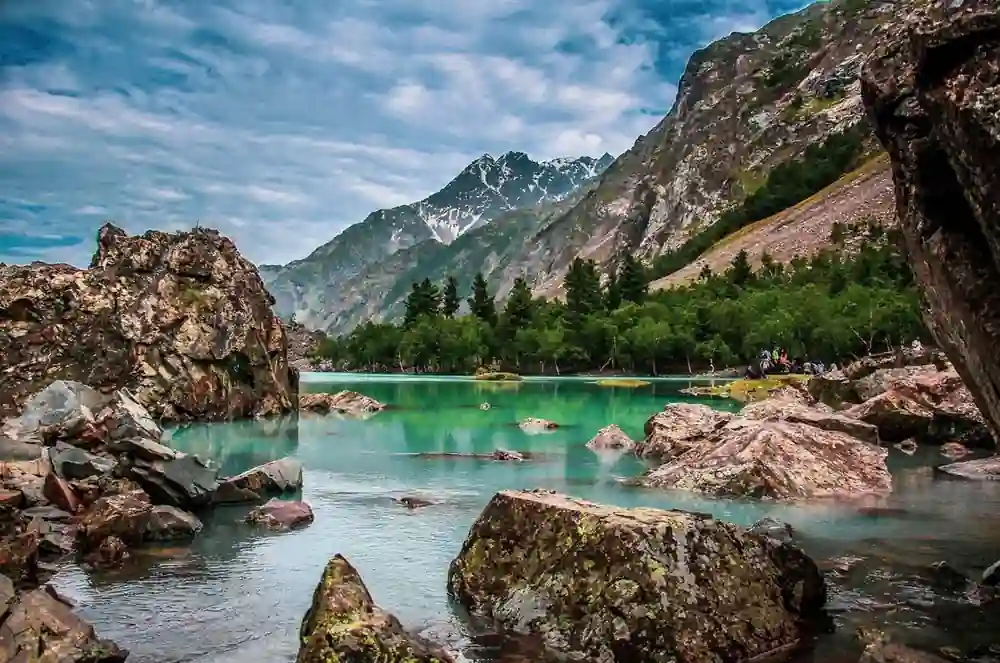
Naltar Valley mountain lake and forest scenery

Naltar Valley: Lakes and Forests

Naltar Valley, reached from the Gilgit area, is known for its mountain forests, scenic lakes and cool highland atmosphere. The valley offers a contrast to the rocky landscapes of some other destinations in the region, with wooded slopes and colourful natural scenery. It is a popular choice for visitors interested in outdoor recreation and peaceful mountain views.

The lakes commonly associated with Naltar are a major attraction for photographers and day-trippers. The surrounding forest scenery and mountain roads make the journey itself part of the experience. Naltar is also known for winter sports facilities in the wider area, although the availability of skiing and other activities depends on seasonal conditions and operating arrangements.

Visitors should check the road condition before travelling, as sections of the route may be rough and weather can change quickly. A suitable vehicle and enough time for the return journey are important. Carry warm clothing, follow local instructions near lakes and forests, and take all rubbish back with you to help protect the natural environment.

Top Attractions

  • Scenic mountain lakes
  • Pine forests and mountain viewpoints
  • Nature photography and outdoor walks
  • Seasonal winter sports where available
Nagar Valley with mountain views in Gilgit-Baltistan

Nagar Valley and Rakaposhi

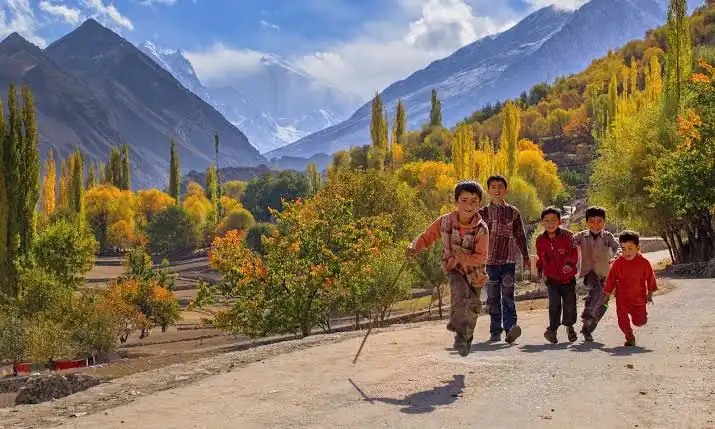
Nagar Valley lies opposite parts of Hunza across the Hunza River and offers impressive views of the Karakoram mountains. The region is known for its mountain villages, cultivated land, glaciers and dramatic peaks. For visitors travelling along the Karakoram Highway, Nagar provides a different perspective on the high mountains that dominate the northern landscape.

Rakaposhi is one of the most recognisable peaks in the area and is admired for its immense height and striking appearance. Viewpoints around the region offer opportunities for photography, while local villages and agricultural terraces provide insight into everyday life in the mountains. Depending on the itinerary, visitors may also explore nearby settlements and scenic stops along the road.

Mountain weather can affect visibility, road travel and access to trekking routes. Visitors planning longer walks should seek local advice about trail conditions and hire experienced guides where needed. Respect private land, avoid approaching glaciers or unstable slopes without expert guidance, and allow enough time for travel between viewpoints.

Top Attractions

  • Rakaposhi mountain viewpoints
  • Traditional villages and terraced fields
  • Mountain landscapes and photography
  • Scenic drives around the Nagar region
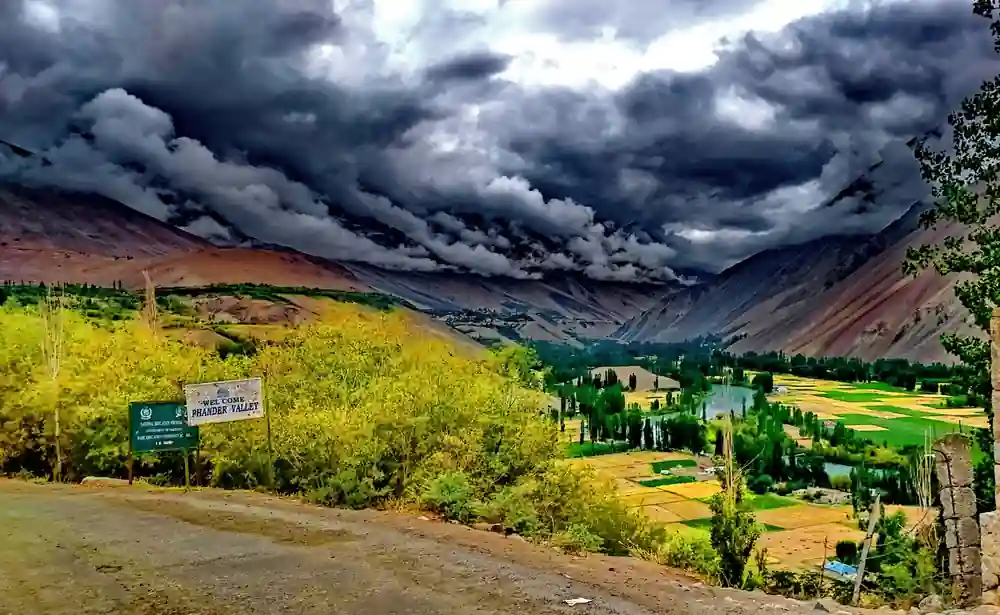
Phander Valley green fields river and mountains in Ghizer

Phander Valley: A Peaceful Mountain Escape

Phander Valley is located in the Ghizer region of Gilgit-Baltistan and is known for its green fields, clear river scenery and attractive mountain setting. Its quieter atmosphere makes it appealing to travellers looking for scenic relaxation away from crowded tourist centres. The landscape combines cultivated land, small settlements and mountains that change appearance with the seasons.

Phander Lake and the surrounding river landscapes are among the area's main attractions. Visitors can enjoy photography, scenic drives and time outdoors while observing local village life. The wider Ghizer region offers further opportunities to discover mountain scenery and riverside settlements, making Phander a useful stop on a longer northern Pakistan itinerary.

The journey to Phander can take considerable time depending on the starting point, road conditions and stops along the way. Accommodation and other services may be limited compared with larger towns, so plan ahead during busy travel periods. Protect the river environment, avoid littering and check weather and road conditions before travelling onward.

Top Attractions

  • Phander Lake and riverside views
  • Green fields and mountain landscapes
  • Local villages and cultural experiences
  • Scenic drives and landscape photography
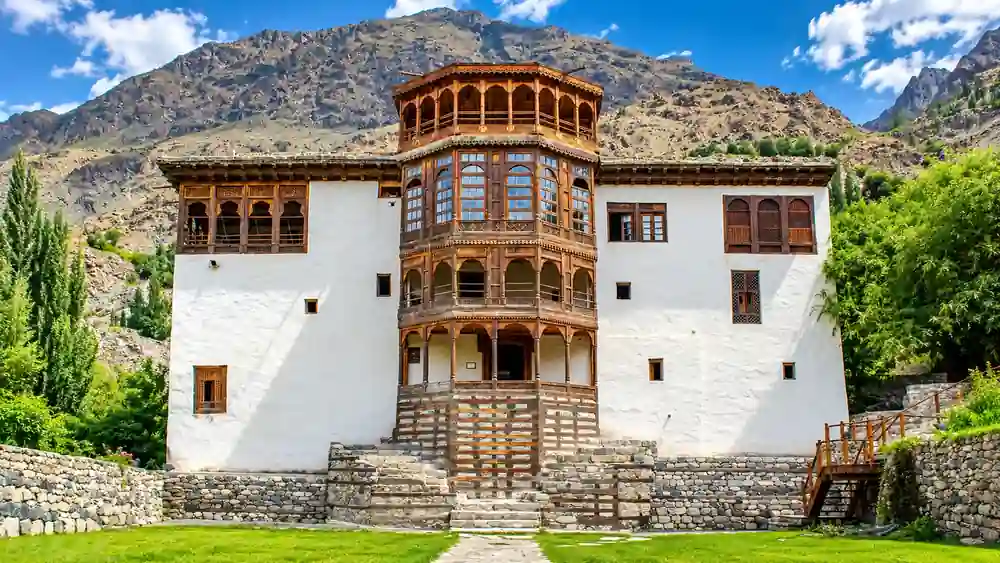
Historic Khaplu Palace with traditional Balti architecture

Khaplu Palace and Shigar Valley

Khaplu and Shigar are important cultural destinations in Baltistan, combining historic architecture with mountain scenery and traditional settlements. Their old buildings, narrow village streets and distinctive Balti heritage provide a different experience from the lakes and high mountain viewpoints elsewhere in Gilgit-Baltistan. These destinations are especially interesting for travellers who enjoy history, architecture and local culture.

Khaplu Palace is a well-known heritage landmark admired for its traditional design and decorative wooden features. Shigar Fort is another notable historic complex, associated with the architectural heritage of the region. Visitors can learn about local history, explore designated heritage spaces and enjoy views of the surrounding mountains and traditional settlements, subject to visitor access rules.

These places can be included in a trip from Skardu, although travel time depends on the route and local conditions. Check opening arrangements for historic buildings before visiting and respect any restricted areas. Travellers can also explore local crafts and cuisine while learning about the traditions of Baltistan and the communities that have preserved its cultural heritage.

Top Attractions

  • Khaplu Palace and historic architecture
  • Shigar Fort and heritage surroundings
  • Traditional Balti culture and local crafts
  • Mountain views and village landscapes

Travel Tips for Gilgit-Baltistan

  • Check the weather: Mountain conditions can change rapidly. Check forecasts before travelling to remote valleys, lakes and high-altitude areas.
  • Plan road journeys: Distances may take longer than expected because of mountain roads, traffic, roadworks or weather.
  • Book accommodation early: Popular destinations can become busy during summer holidays and peak travel periods.
  • Prepare for altitude: Carry warm clothing and allow time to adjust when travelling to high elevations.
  • Respect local culture: Follow local customs and ask permission before photographing people or private property.
  • Protect the environment: Avoid littering, respect wildlife and do not leave waste at lakes, meadows or campsites.
  • Verify local access: Check current road conditions, permits or restrictions where applicable before departure.