Explore Islamabad – Nature, History and Heritage
Islamabad, the capital of Pakistan, is a planned city known for its modern architecture, green spaces, scenic hills and important national institutions. Located on the Potohar Plateau at the foothills of the Margalla Hills, the city combines natural beauty with historical, cultural and religious heritage. Its wide avenues, landscaped parks and organised residential sectors give it a distinctive character among Pakistan's major cities.
The capital offers a wide range of attractions for visitors. These include the iconic Faisal Mosque, Parliament House, Pakistan Monument, traditional Saidpur Village, ancient caves, historic forts, museums and religious shrines. Nature lovers can explore the Margalla Hills, Daman-e-Koh and Rawal Lake, while history enthusiasts can discover the area's archaeological and cultural background.
ChaloPK presents this guide to twelve notable attractions in Islamabad and its surrounding area. The following destinations introduce visitors to the capital's history, national identity, architecture, religious heritage and natural environment. Whether planning a family visit, a historical tour or a sightseeing trip, Islamabad has something to offer throughout the year.

1. Faisal Mosque
Faisal Mosque is one of the most recognisable landmarks of Islamabad and one of the most prominent symbols of modern Islamic architecture. Located at the foot of the Margalla Hills, the mosque is admired for its impressive white structure, four tall minarets and distinctive tent-inspired design. Its beautiful setting against the green mountains makes it a popular destination for tourists, photographers and worshippers.
The mosque was designed by Turkish architect Vedat Dalokay. Its construction began in 1976 following financial support from Saudi Arabia's King Faisal, after whom the mosque was named. The project was completed in 1986. Unlike traditional mosques, its main prayer hall does not have a conventional dome and instead features an innovative eight-sided structure inspired by a Bedouin tent. This design gives the building its unique appearance.
Faisal Mosque is not only a major religious centre but also an important architectural attraction for international visitors. Tourists can admire its spacious courtyard, impressive exterior and mountain surroundings. The mosque is particularly attractive during the early morning and evening when the changing light creates beautiful views. Visitors should dress modestly, respect prayer times and follow the administration's instructions while visiting.
Explore Location
2. Parliament House
Parliament House is one of the most important national buildings in Pakistan and a major symbol of the country's parliamentary democracy. Located in Islamabad's government district, the building is the workplace of the federal legislature. It represents the constitutional system through which elected representatives debate national matters, make laws and perform their responsibilities on behalf of the people.
The foundation stone of Parliament House was laid by Prime Minister Zulfikar Ali Bhutto on 14 August 1974. The building was designed by renowned American architect Edward Durell Stone. Its construction took several years, and it was inaugurated in May 1986. The architecture combines a formal institutional appearance with elements intended to reflect Pakistan's national identity.
Pakistan's Parliament consists of two houses: the National Assembly and the Senate. Important legislative proceedings, debates, committee work and discussions on national policies take place here. The building has a central place in the country's political and constitutional history. Although it is an important landmark for visitors, entry is controlled and generally requires official permission because of its national security and parliamentary functions.
Explore Location
3. Pakistan Monument & Museum
Pakistan Monument is a prominent national landmark situated in the Shakarparian area of Islamabad. Its design represents the unity of the people and the different regions of Pakistan. The monument's large petal-shaped structures come together to form a symbolic national flower. From a distance, its architectural design creates an impressive sight and makes it one of the most photographed places in the capital.
The monument was developed to honour the sacrifices and achievements associated with the creation of Pakistan. Its four main petals represent the country's four provinces, while the smaller petals symbolise other territories and communities. The design brings together national history, identity and architecture. Its location also provides visitors with attractive views of Islamabad and the surrounding landscape.
The adjoining Pakistan Monument Museum introduces visitors to the Pakistan Movement and the country's historical development. Its displays highlight important personalities, events and milestones associated with the struggle for independence. Visitors can explore the monument, learn about national history and enjoy the surrounding landscaped area. The museum is particularly useful for students, families and international tourists interested in understanding Pakistan's history.
Explore Location
4. Saidpur Village
Saidpur Village is a historic settlement located near the Margalla Hills in Islamabad. It offers a glimpse into the traditional village life that existed in the area before the development of the modern capital. The village is known for its old-style buildings, narrow pathways, cultural features and attractive natural surroundings. Its historic character makes it a popular destination for visitors looking for a different experience of Islamabad.
The village is associated with Said Khan, traditionally identified as the son of Gakhar chief Sultan Sarang Khan. The settlement reflects the area's long and diverse cultural history. Its heritage includes traditional architecture and remains associated with different religious communities. The historic temple complex and other old structures provide an insight into the cultural and religious life of the region in earlier centuries.
Today, Saidpur has become a popular place for dining, sightseeing and cultural exploration. Visitors can walk through its streets, enjoy traditional and modern food, visit cafés and take photographs of the surrounding hills. The village is especially attractive in the evening when its restaurants and public spaces become lively. It is a suitable destination for families, tourists and people interested in local history and culture.
Explore Location
5. Shah Allah Ditta Caves
Shah Allah Ditta Caves are among the most interesting archaeological and historical attractions in the Islamabad region. Located in a village on the southern side of the Margalla Hills, the caves are surrounded by rocky hills, old trees and a natural landscape. The area is important because it provides evidence of the long history of human settlement and religious activity in the Potohar region.
The caves consist of natural rock shelters and are associated with different periods of religious history. Archaeological accounts describe their use by Buddhist monks and later by Hindu ascetics and Muslim religious figures. The site is also known for historical paintings and remains that reflect earlier religious traditions. Their location along old routes through the Margalla Hills adds to their historical interest.
Visitors can explore the cave surroundings, observe the rock formations and learn about the archaeological importance of the area. The nearby village offers a peaceful environment away from the busy city centre. The site is particularly interesting for history students, researchers, photographers and travellers interested in ancient heritage. Visitors should avoid damaging the caves, paintings or surrounding archaeological features.
Explore Location
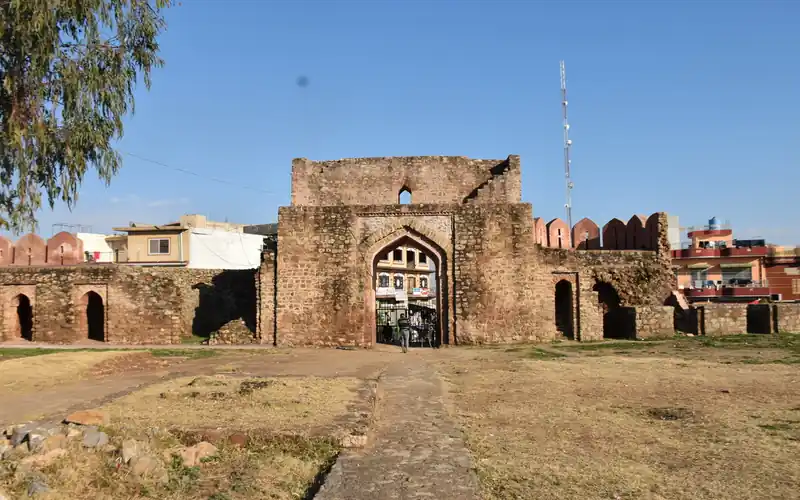
6. Rawat Fort
Rawat Fort is a historic fortified complex near Islamabad, located along the Grand Trunk Road towards Jhelum. It is an important reminder of the region's historical routes, settlements and defensive architecture. The fort's stone walls, old gateways and inner courtyard provide visitors with an opportunity to explore the architectural heritage of the Potohar Plateau.
The present structure appears to have been developed during the Sultanate period, particularly in the early 15th century, although the location is associated with an older roadside settlement or caravanserai. The fort is historically connected with the Gakhar chiefs and the regional history of Sultan Sarang Khan. Its layout includes defensive walls, gateways, a mosque with three domes, a mausoleum and rows of rooms around the central courtyard.
Rawat Fort is an interesting destination for people who want to learn about the military, architectural and cultural history of the region. Visitors can examine the old stonework, explore the courtyard and observe the remaining historic structures. The fort is located outside Islamabad's main urban area but is accessible by road from the capital. Travellers should respect the protected heritage site and avoid damaging its historic fabric.
Explore Location
7. Lok Virsa Museum & Pakistan Museum of Natural History
Lok Virsa Museum and the Pakistan Museum of Natural History are two important educational and cultural attractions in Islamabad. They introduce visitors to different aspects of Pakistan's heritage, traditions, environment and scientific history. Lok Virsa focuses on folk culture and traditional lifestyles, while the Natural History Museum presents the country's geological, biological and environmental diversity.
Lok Virsa, also known as the Heritage Museum, preserves and promotes the folk and traditional culture of Pakistan. Its displays include regional costumes, embroidery, jewellery, musical instruments, woodwork, handicrafts and objects representing the everyday lives of different communities. The museum provides an opportunity to understand the cultural diversity of Pakistan and the importance of protecting traditional skills and craftsmanship.
The Pakistan Museum of Natural History presents information about the country's plants, animals, fossils, rocks, minerals and natural resources. Its exhibitions help visitors understand biodiversity, ecosystems and the geological development of the region. Together, the two museums offer a valuable experience for students, families, researchers and international tourists. Visitors should check the museums' current opening hours and admission arrangements before travelling.
Explore Museums
8. Shakarparian Hills
Shakarparian Hills is one of the best-known historical and recreational areas of Islamabad. Located near the centre of the capital, the hills offer open green spaces, landscaped gardens and attractive views of the city. The area is associated with the early planning and development of Islamabad and has become an important part of the capital's national and recreational landscape.
Shakarparian has a special place in the history of Islamabad. On 24 May 1960, a meeting of the federal cabinet chaired by President General Ayub Khan was held here, where the initial master plan for the new capital was approved. This meeting marked an important stage in the development of Islamabad as Pakistan's planned capital. It is more accurate to associate this event with the approval of the initial plan rather than describe it as the formal laying of the city's foundation stone.
Over the years, Shakarparian was developed as a public recreational and sightseeing area. It is known for trees planted by visiting heads of state and government, landscaped spaces and panoramic viewpoints. The Pakistan Monument and Lok Virsa are also located in the wider Shakarparian area. Visitors can enjoy walks, photography, family outings and views of Islamabad while learning about the early history of the capital.
Explore Location
9. Golra Sharif Railway Museum
Golra Sharif Railway Museum is a distinctive heritage attraction located at the historic Golra Sharif Railway Station in Islamabad. The station is associated with the development of railway transport in the region and offers visitors a glimpse of an earlier era of travel and communication. Its old railway buildings and traditional surroundings make it an interesting destination for history enthusiasts and railway lovers.
The museum preserves and displays objects connected with Pakistan's railway history. Its collection includes historical railway equipment, photographs, documents, old locomotives and other items associated with railway operations. The displays help visitors understand the importance of the railway network in passenger transport, trade and communication during the colonial period and after the creation of Pakistan.
The station's historic architecture and railway exhibits create an educational experience for families, students and photographers. Visitors can explore the displays and learn how railway transport contributed to the development of the region. The museum is particularly attractive to people interested in old locomotives and engineering history. It is advisable to confirm visiting arrangements and opening hours before planning a trip.
Explore Location
10. Bari Imam Shrine
Bari Imam Shrine is one of the most important religious and spiritual sites in Islamabad. It is located in Nurpur Shahan near the foothills of the Margalla Hills and is associated with the Sufi saint Shah Abdul Latif Kazmi, popularly known as Bari Imam. The shrine attracts devotees and visitors from Islamabad, Rawalpindi and many other parts of Pakistan.
Bari Imam is remembered in local religious tradition for his spiritual teachings and influence. The shrine is historically associated with the Mughal period, and accounts connect its construction with Emperor Aurangzeb. Over time, it developed into a major centre of religious devotion and Sufi heritage. Its history reflects the important role of Sufi traditions in the spiritual and cultural life of the Potohar region.
Thousands of people visit the shrine to offer prayers, pay their respects and learn about the saint's legacy. The annual Urs is an important religious gathering that brings together devotees from different areas. Visitors can observe the shrine's architecture and experience the area's spiritual atmosphere. As an active religious site, visitors should dress modestly and respect local customs and worshippers.
Explore Location
11. Daman-e-Koh & Margalla Hills National Park
Daman-e-Koh is a popular viewpoint situated in the Margalla Hills above Islamabad. It offers panoramic views of the capital, including its residential sectors, green areas and prominent landmarks. Its elevated location makes it one of the most attractive sightseeing destinations in the city, particularly for visitors who want to see Islamabad from above.
The surrounding Margalla Hills form part of Margalla Hills National Park, a protected natural area known for its forests, hills, wildlife and hiking trails. The park is an important ecological asset for the capital and provides habitats for different species of birds, mammals and plants. Its natural environment also offers opportunities for outdoor recreation and nature education.
Visitors can enjoy the viewpoint, take photographs, explore designated hiking trails and experience the natural beauty of the hills. The park is popular among walkers, hikers, families and wildlife enthusiasts. Visitors should remain on recognised trails, avoid feeding wild animals, keep the environment clean and follow park regulations. Weather and access conditions should be checked before setting out.
Explore Location
12. Rawal Lake & Lake View Park
Rawal Lake is a major reservoir located near Islamabad and Rawalpindi. Surrounded by green hills and natural landscapes, it is one of the capital's best-known scenic attractions. Besides its recreational value, the lake is an important part of the water supply system serving nearby urban areas. Its open water and surrounding hills create a peaceful setting for visitors.
Lake View Park, located beside Rawal Lake, is a popular recreational destination for families and tourists. The park provides open spaces, walking areas and attractive views of the lake. Depending on available facilities and operating arrangements, visitors may also find boating and other recreational activities. The area is particularly popular on weekends and public holidays.
Rawal Lake and Lake View Park are suitable for picnics, photography, family outings and enjoying the natural environment. The lake looks especially attractive during sunrise and sunset, when the changing light creates beautiful reflections across the water. Visitors should use designated recreational areas, follow park rules, avoid littering and respect the natural surroundings.
Explore Location