x
-- Loading

Weather data by MET Norway

Explore Sindh Pakistan

Explore Sindh, Pakistan – History, Heritage and Cultural Destinations

Sindh is one of Pakistan’s most historically significant provinces and the home of one of the world's earliest urban civilisations. Situated along the lower Indus River, the province has played an important role in the development of trade, agriculture, religion, literature and cultural exchange in South Asia. Its history stretches from the ancient Indus Valley Civilisation to the Arab period, the Soomra and Samma dynasties, the Kalhora and Talpur rulers and the British colonial era.

The province offers a remarkable variety of attractions, including archaeological sites, historic forts, Mughal-era mosques, royal palaces, Sufi shrines and colonial buildings. Places such as Mohenjo-daro, Makli, Ranikot Fort and the Shah Jahan Mosque provide an opportunity to explore different periods of Sindh's past.

From Karachi and Thatta to Larkana, Khairpur, Hyderabad and Umerkot, Sindh offers visitors a journey through history, architecture, spirituality and traditional culture. The following 15 destinations are among the province's most notable heritage attractions.

Top 15 Historical Places to Visit in Sindh

Explore ancient civilisation, historic monuments, royal architecture and spiritual heritage across Sindh, Pakistan.

1 Mazar-e-Quaid Karachi Pakistan

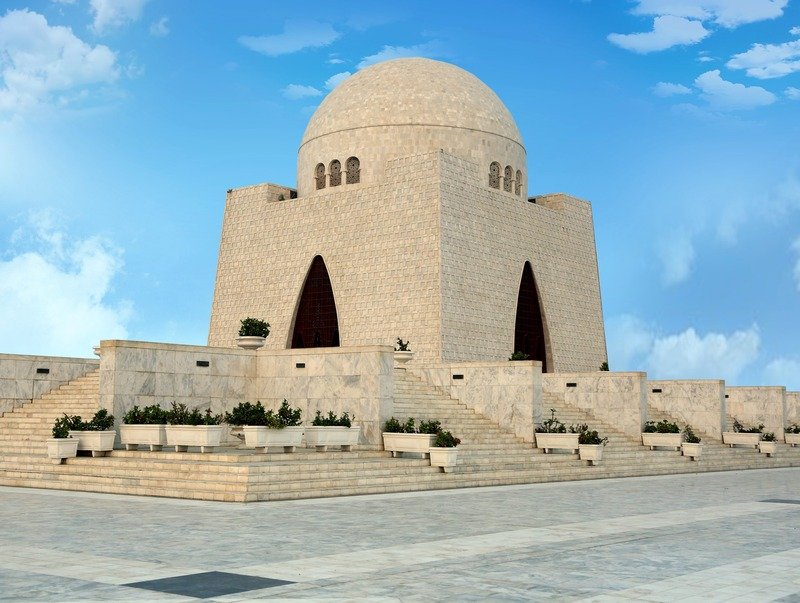
1. Mazar-e-Quaid – The Final Resting Place of Pakistan’s Founder

Mazar-e-Quaid is one of Pakistan's most important national monuments and the final resting place of Quaid-e-Azam Muhammad Ali Jinnah, the founder of Pakistan. The mausoleum honours the leader whose political struggle resulted in the establishment of Pakistan in 1947. It is also the resting place of several other prominent personalities associated with the country's early history, including Fatima Jinnah, Liaquat Ali Khan and Abdur Rab Nishtar.

The mausoleum is famous for its striking white marble architecture, large central dome and impressive geometric design. Designed by architect Yahya Merchant, the building combines modern architectural elements with a monumental appearance. Its elevated platform, surrounding gardens and spacious grounds create a distinctive landmark. Construction was completed in 1970, and the monument has since become a symbol of national identity and respect.

Mazar-e-Quaid is located in the heart of Karachi, near the city's central areas. Visitors can explore the mausoleum grounds, observe ceremonial activities when scheduled and learn about the history of Pakistan's independence. It is a major destination for students, tourists, historians and citizens visiting Karachi.
Location: M.A. Jinnah Road, Karachi
2 Mohenjo-daro ancient Indus Valley Civilisation

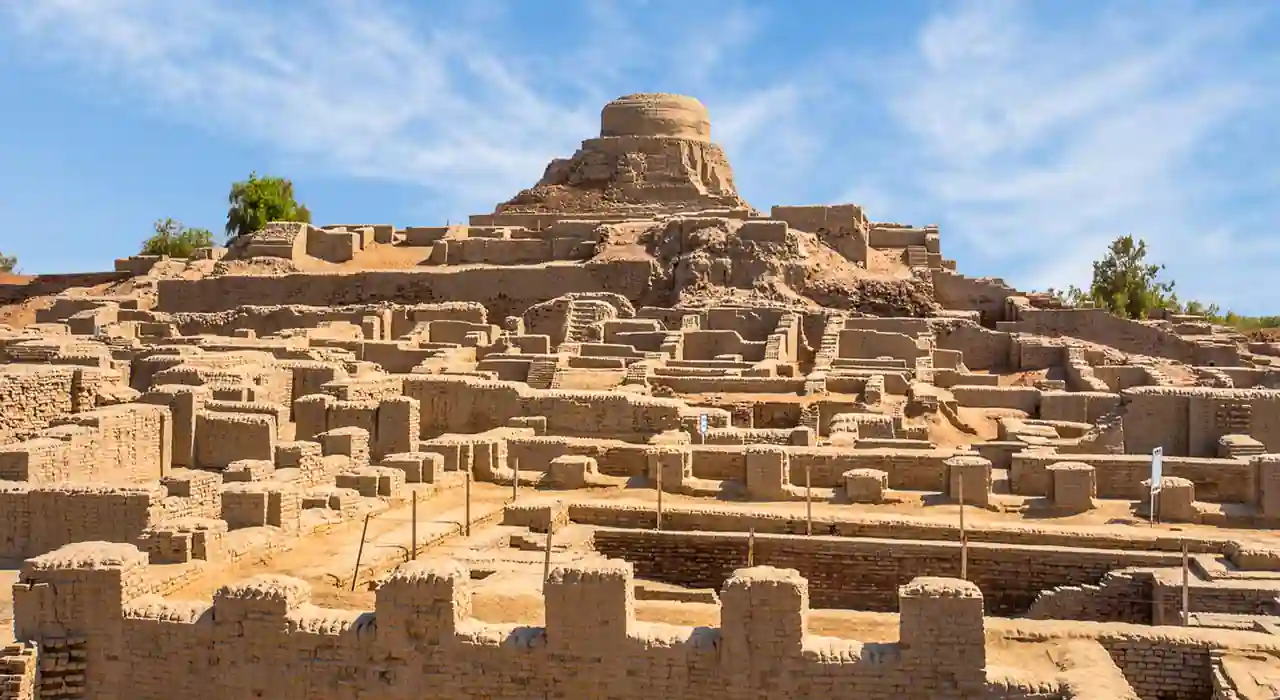
2. Mohenjo-daro – The Ancient Indus Valley Civilisation

Mohenjo-daro is one of the world's most significant archaeological sites and a major centre of the ancient Indus Valley Civilisation. The city flourished around the third millennium BCE and provides remarkable evidence of organised urban life thousands of years before the modern era. Its remains help historians understand the social, economic and cultural development of early South Asian communities.

The ancient settlement is particularly famous for its carefully planned streets, baked-brick houses, public buildings, wells and sophisticated drainage system. The Great Bath is among its best-known structures and is an important example of public architecture in the ancient city. Archaeologists have also discovered seals, pottery, ornaments, tools and other objects that reveal details of daily life and long-distance trade.

Mohenjo-daro is situated near Larkana in Sindh, close to the Indus River. It was designated a UNESCO World Heritage Site in 1980. Visitors can explore the archaeological remains and the nearby museum, subject to opening arrangements. The site is an essential destination for anyone interested in ancient history, archaeology and the origins of urban civilisation.

Location: Near Larkana, Sindh
3 Makli Necropolis Thatta Sindh

3. Makli Necropolis – One of the World's Largest Historic Cemeteries

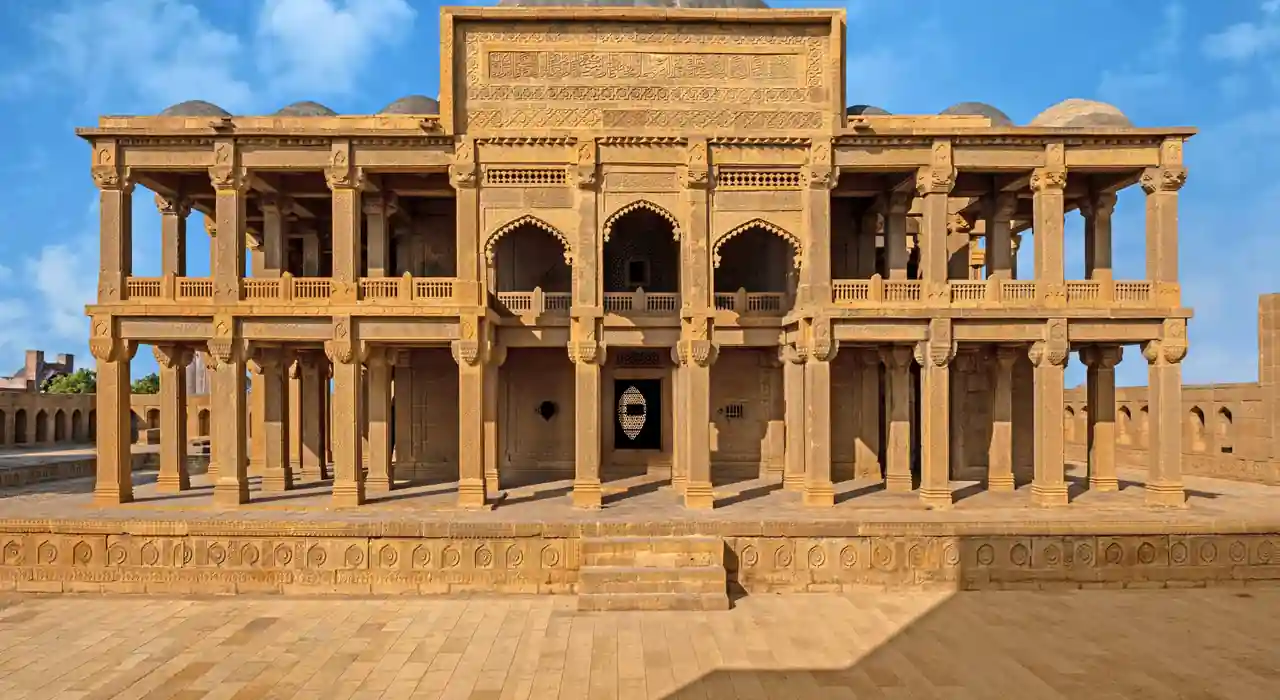
Makli Necropolis, near Thatta, is one of the most extraordinary historical burial sites in South Asia. Spread over a vast area, the cemetery contains thousands of graves, tombs and monumental structures associated with rulers, saints, scholars and other important personalities. Its development took place over several centuries, making it an exceptional record of the political, religious and cultural history of Sindh.

The site is particularly famous for its elaborate stone carvings, decorative tile work, inscriptions and distinctive tomb architecture. Different monuments display a mixture of local Sindhi, Islamic, Persian and other regional influences. The tombs of prominent rulers and nobles show the artistic skills of the craftsmen who worked in the region during different historical periods.

Makli is located near the historic city of Thatta, southeast of Karachi. It was included on the UNESCO World Heritage List in 1981. The site offers a valuable experience for visitors interested in architecture, Islamic history, archaeology and the heritage of medieval Sindh.

Location: Near Thatta, Sindh
4 Shah Jahan Mosque Thatta

4. Shah Jahan Mosque – A Masterpiece of Mughal Architecture

The Shah Jahan Mosque in Thatta is one of the finest examples of Mughal-era religious architecture in Pakistan. It was commissioned by Mughal Emperor Shah Jahan during the 17th century, when Thatta was an important cultural and commercial centre. The mosque reflects the artistic relationship between Mughal architectural traditions and the distinctive craftsmanship of Sindh.

The mosque is widely admired for its colourful glazed tiles, intricate geometric patterns, decorative brickwork and impressive domes. Its design gives particular importance to domed chambers and acoustics. The architectural arrangement allows sound to travel across parts of the building, adding to its historical interest.

Located in the old city of Thatta, the mosque is an important attraction for architecture enthusiasts, photographers and history lovers. Its detailed decoration and historic setting provide an opportunity to understand the religious and cultural life of Sindh during the Mughal period.

Location: Thatta, Sindh
5 Ranikot Fort Great Wall of Sindh

5. Ranikot Fort – The Great Wall of Sindh

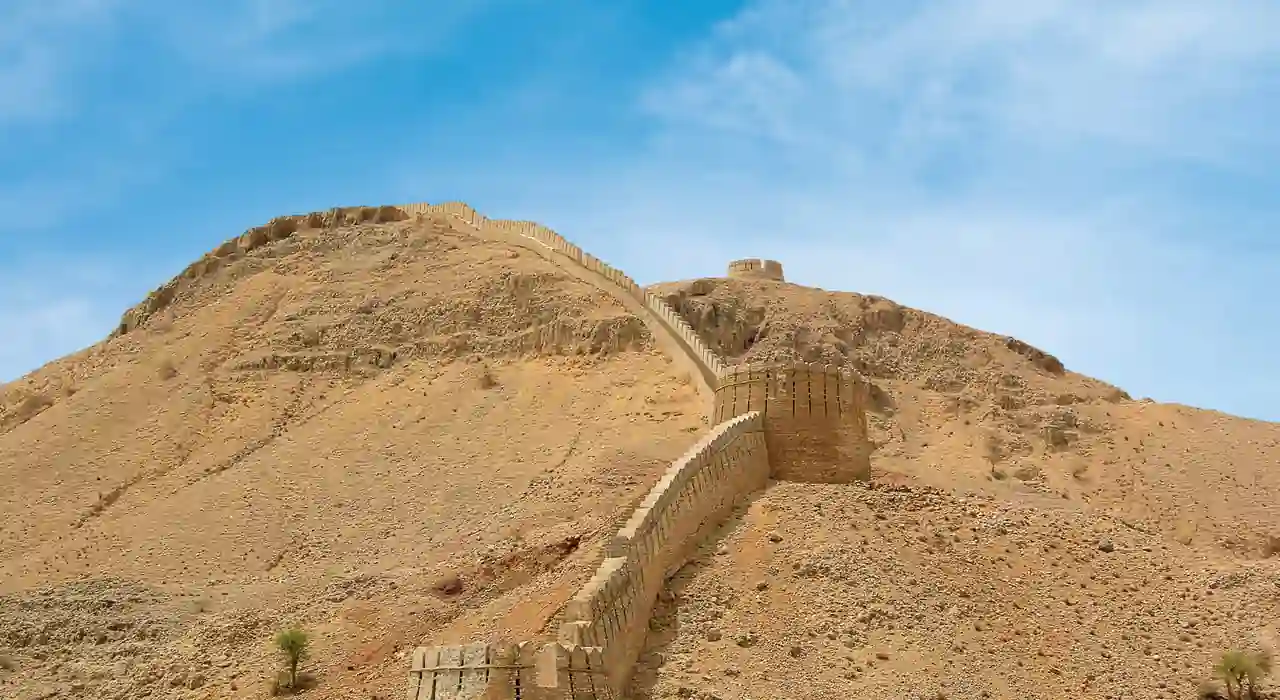
Ranikot Fort is one of the most remarkable fortifications in Pakistan and is popularly known as the Great Wall of Sindh. Its enormous defensive walls extend across a rugged landscape of hills and valleys in the Kirthar mountain region. The scale of the structure makes it one of the most impressive historic landmarks in the province.

The fort includes long sections of stone walls, defensive towers, gates and elevated positions overlooking the surrounding terrain. Its construction follows the natural shape of the hills, creating a dramatic combination of architecture and landscape. The exact origins and construction history of the fort remain subjects of historical discussion.

Ranikot is located in Jamshoro District, within the Kirthar mountain range. The journey to the fort offers scenic views and an opportunity to explore the surrounding countryside. Visitors should plan their transport carefully, carry sufficient water and check local access conditions before travelling to this remote historical site.

Location: Jamshoro District, Sindh
6 Kot Diji Fort Khairpur

6. Kot Diji Fort – A Historic Landmark of the Talpur Period

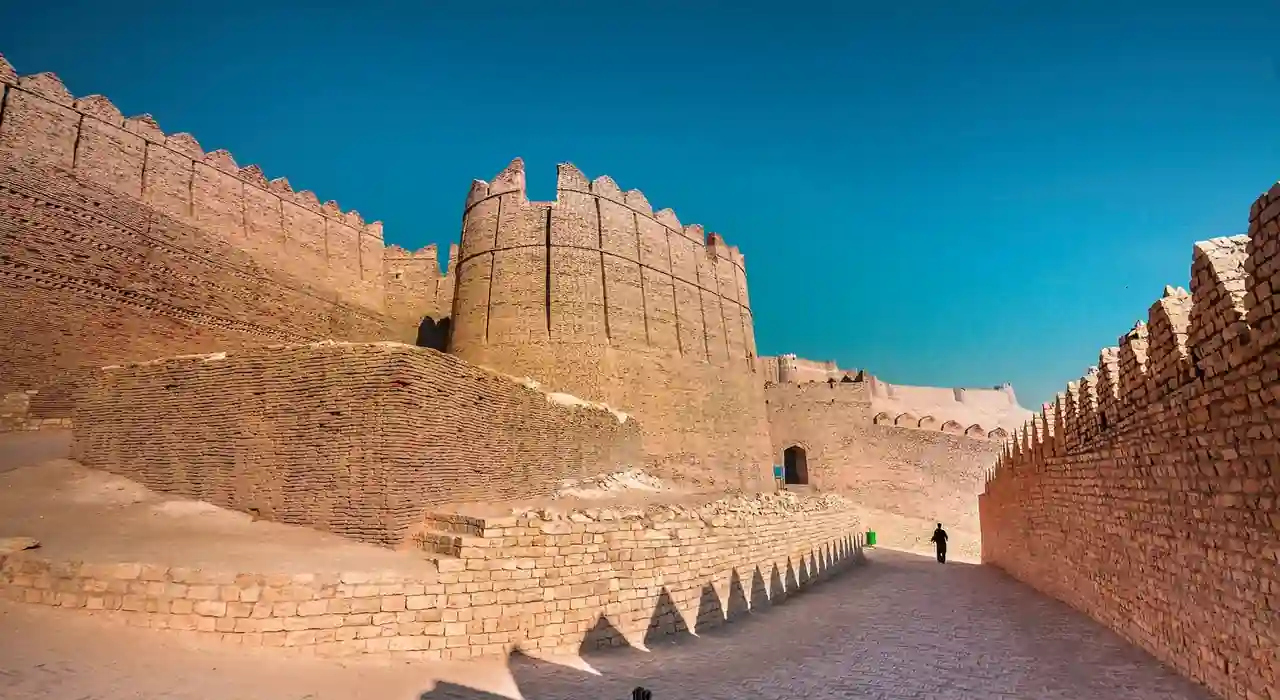
Kot Diji Fort is a historic fortification located on a prominent hill overlooking the town of Kot Diji in Khairpur District. It is associated with the Talpur rulers of Sindh and represents the military and administrative history of the region. The fort was built under the patronage of Mir Sohrab Khan Talpur in the late 18th century.

The structure is known for its strong defensive walls, watchtowers, gateways and elevated position. Its design demonstrates the importance of fortifications in an era when local rulers needed to protect their territories and maintain control over important routes. The hilltop location also provides impressive views of the surrounding landscape.

The fort is situated in Kot Diji, Khairpur District. Nearby, visitors can also explore the archaeological remains of the Kot Diji settlement, associated with an early phase of the Indus civilisation. Together, these sites make the area particularly interesting for visitors studying the ancient and later history of Sindh.

Location: Kot Diji, Khairpur District
7 Umerkot Fort Sindh

7. Umerkot Fort – A Historic Fort of the Thar Desert Region

Umerkot Fort is an important historical landmark in southeastern Sindh. The fort is closely connected with the history of the region and is traditionally associated with the birth of Mughal Emperor Akbar, who was born at Umerkot in 1542 while his father Humayun was seeking refuge in the area. This connection gives the fort a special place in the wider history of the Mughal Empire.

The fort features large defensive walls, gateways and towers that reflect its military importance. Its location in a region close to the Thar Desert highlights the strategic role of settlements and fortified centres in controlling movement across the surrounding territory. The surviving structure provides an insight into the architectural traditions of the region.

Umerkot Fort is located in Umerkot city, which is accessible from Hyderabad and other major towns of Sindh by road. Visitors can explore the fort and learn about the area's historical links with local rulers and the Mughal period. The surrounding region also offers an opportunity to experience the culture and landscapes of the Thar Desert belt.

Location: Umerkot, Sindh
8 Chaukhandi Tombs near Karachi

8. Chaukhandi Tombs – Remarkable Sandstone Carvings

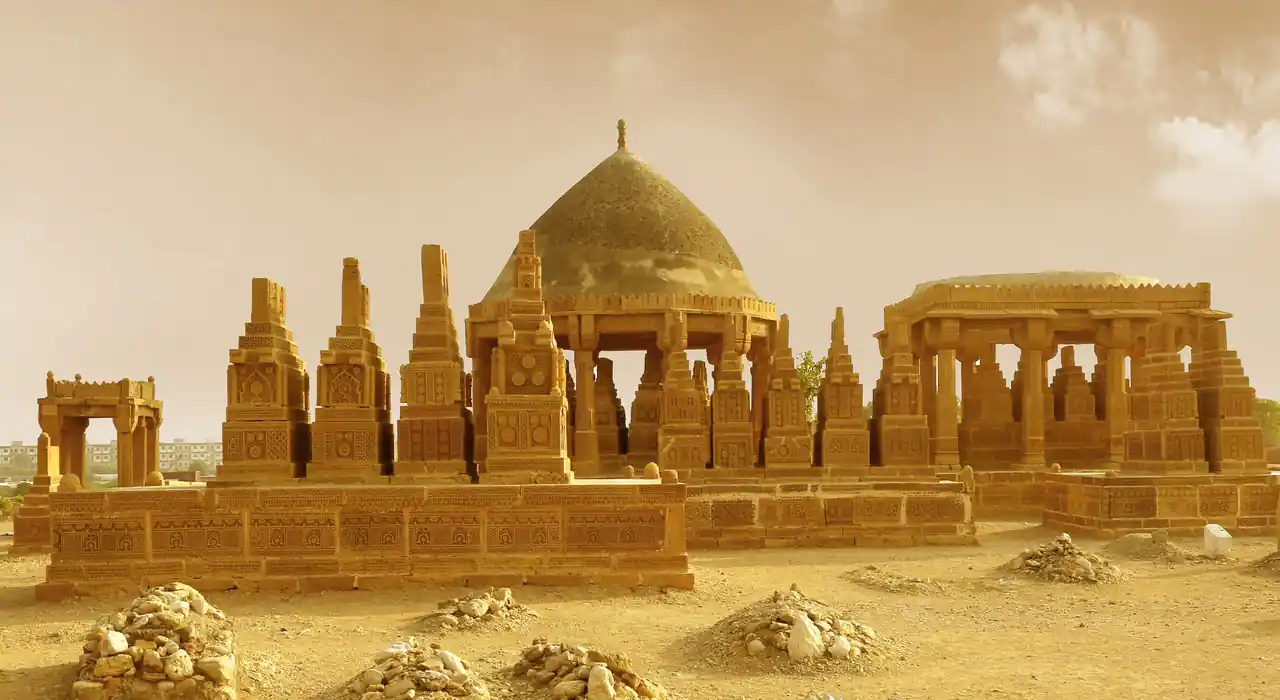
The Chaukhandi Tombs are a distinctive historical cemetery located near Karachi. The site is known for its unusual sandstone tombs, which preserve important examples of traditional funerary architecture in Sindh. Many of the graves are associated with local tribes and families from different historical periods.

The tombs are particularly famous for their detailed carvings and decorative geometric patterns. Some structures feature elaborate designs on horizontal and vertical sandstone slabs. The carvings provide valuable information about the artistic traditions, social customs and craftsmanship of communities that lived in the region centuries ago.

Chaukhandi is situated east of Karachi, near the National Highway. Its location makes it a possible historical excursion for visitors staying in the city. Tourists interested in archaeology, traditional stone carving and cultural heritage can explore the site while respecting the protected graves and surrounding environment.

Location: Near Karachi, Sindh
9 Banbhore Archaeological Site Sindh

9. Banbhore – An Ancient Port City of Sindh

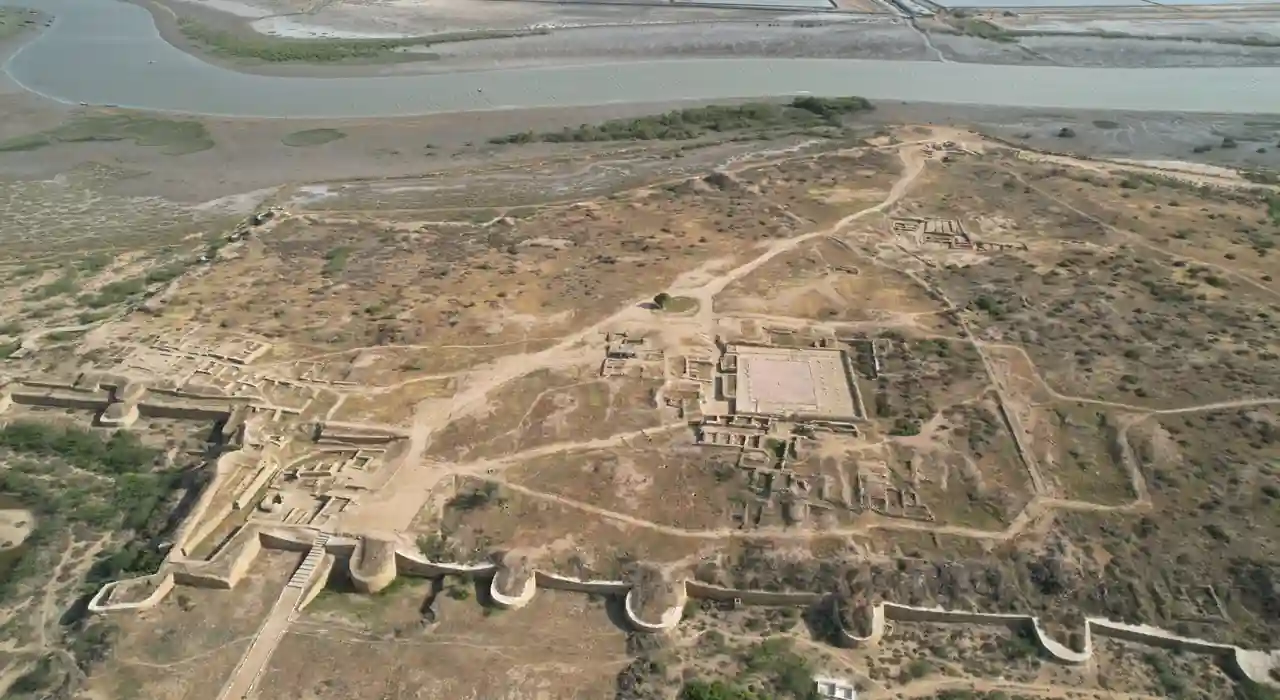
Banbhore is an important archaeological site near the coastal region of Sindh. It is believed to represent an ancient settlement and port that played a role in maritime trade across the Arabian Sea. Its historical importance is connected with the commercial, cultural and political links between Sindh and other parts of the region.

Excavations at Banbhore have revealed remains of defensive walls, residential areas, streets, religious structures and objects associated with trade. Archaeologists have also discovered coins, pottery and other artefacts that help explain the development of the settlement over different historical periods. The site is particularly important for research into early Islamic-era urban life in Sindh.

Banbhore is located near Gharo in Thatta District, east of Karachi. The archaeological remains offer an interesting visit for travellers who want to explore the ancient coastal history of Pakistan. Visitors should check local arrangements and access information before planning their journey.

Location: Near Gharo, Thatta District
10 Pakka Qila Hyderabad Sindh

10. Pakka Qila – The Historic Fort of Hyderabad

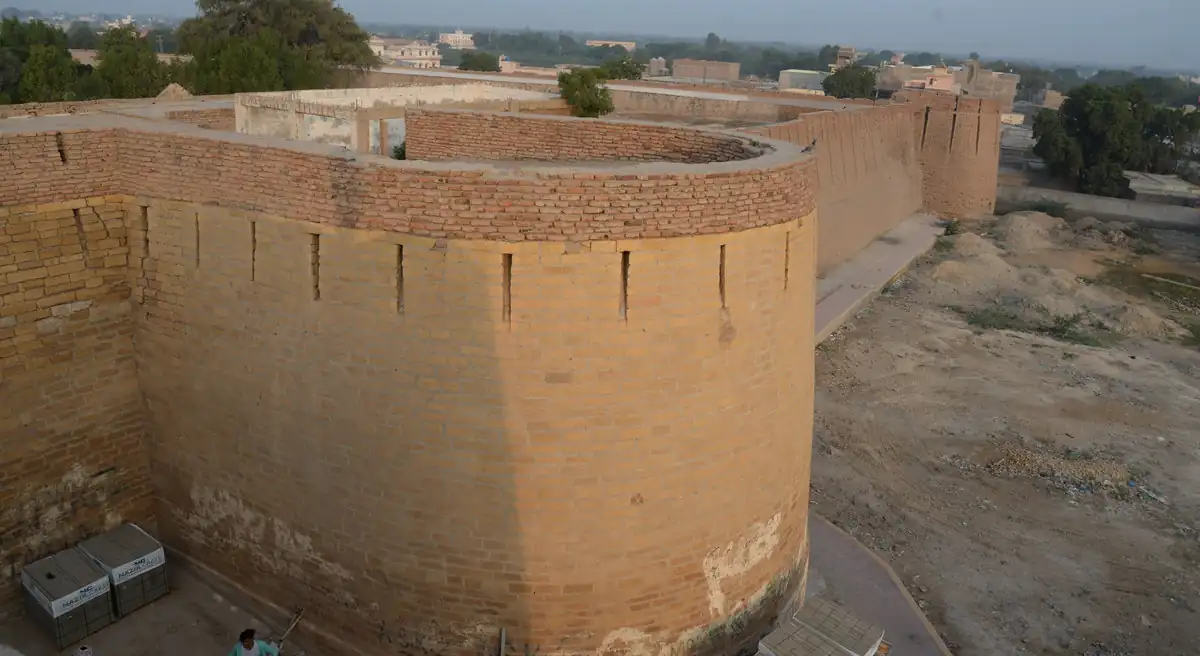
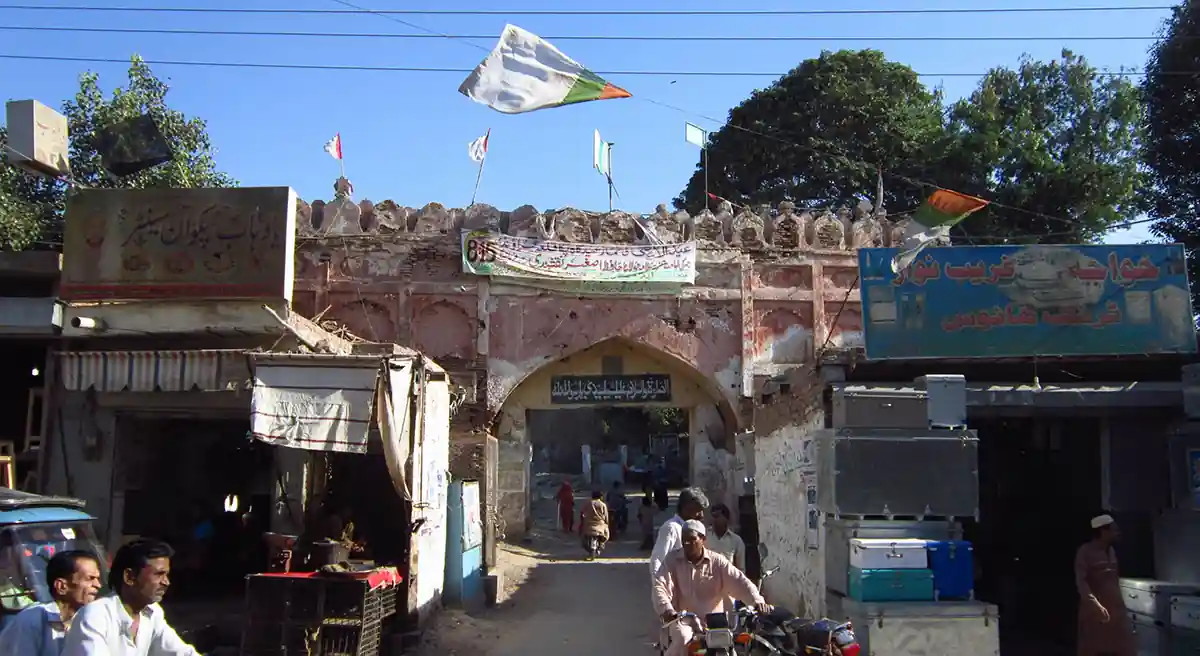
Pakka Qila is one of the important historical landmarks of Hyderabad. The fort is associated with the Kalhora period of Sindh's history and was built during the development of Hyderabad as a major political and administrative centre. It reflects the importance of fortified settlements in the history of the region.

The fort's remaining walls and structures offer a glimpse into the defensive architecture of the period. Its location on elevated ground made it a significant part of the historic city. Over time, the surrounding urban area expanded, and the fort became closely connected with the social and cultural development of Hyderabad.

Pakka Qila is situated within Hyderabad city and can be explored as part of a wider heritage visit. Travellers interested in the Kalhora and Talpur dynasties, old city architecture and the historical development of Hyderabad will find the site particularly meaningful.

Location: Hyderabad, Sindh
11 Shrine of Shah Abdul Latif Bhittai Bhit Shah

11. Bhit Shah – The Shrine of Shah Abdul Latif Bhittai

Bhit Shah is one of Sindh's most respected spiritual and cultural destinations. It is famous for the shrine of Shah Abdul Latif Bhittai, the celebrated Sufi poet whose poetry has played a major role in shaping Sindhi literature, music and cultural identity. His famous poetic collection, Shah Jo Risalo, remains an important part of the region's literary heritage.

The shrine is admired for its traditional architecture, decorative tile work and peaceful atmosphere. Visitors come to pay their respects, listen to devotional music and learn about the teachings and poetry of Shah Abdul Latif. His message of love, tolerance, humanity and spiritual reflection continues to influence people across Sindh and beyond.

Bhit Shah is located in Matiari District, between Hyderabad and Hala. It is a popular destination for religious visitors, cultural researchers and tourists exploring the Sufi traditions of Pakistan. The annual Urs celebration attracts devotees and visitors from different parts of the country.

Location: Bhit Shah, Matiari District
12 Lal Shahbaz Qalandar Shrine Sehwan Sharif

12. Sehwan Sharif – The Spiritual Centre of Lal Shahbaz Qalandar

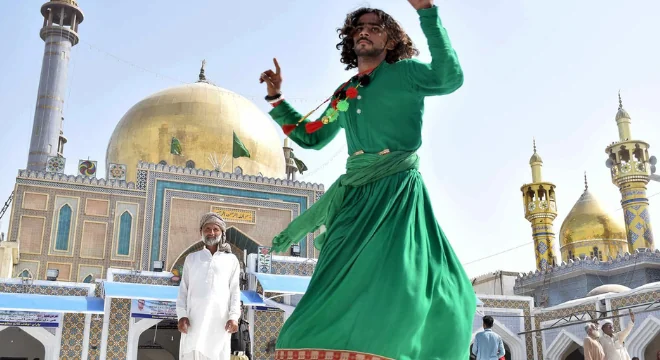
Sehwan Sharif is one of the most famous spiritual destinations in Pakistan. The city is best known for the shrine of Lal Shahbaz Qalandar, the renowned 13th-century Sufi saint whose teachings and spiritual legacy continue to attract devotees from across the country. His shrine holds a special place in the religious and cultural life of Sindh.

The shrine is recognised for its colourful decoration, impressive religious architecture and vibrant atmosphere during major gatherings. One of its most distinctive traditions is dhamal, a devotional dance performed to the rhythm of traditional drums. The annual Urs of Lal Shahbaz Qalandar attracts large numbers of pilgrims and visitors.

Sehwan is located in Jamshoro District, close to the Indus River. It is accessible by road from Hyderabad and other cities of Sindh. Visitors can explore the shrine and experience the area's spiritual traditions, local markets and cultural atmosphere. Respectful behaviour and appropriate dress are recommended when visiting the shrine.

Location: Sehwan Sharif, Jamshoro District
13 Frere Hall Karachi colonial architecture

13. Frere Hall – A Historic Colonial-Era Landmark in Karachi

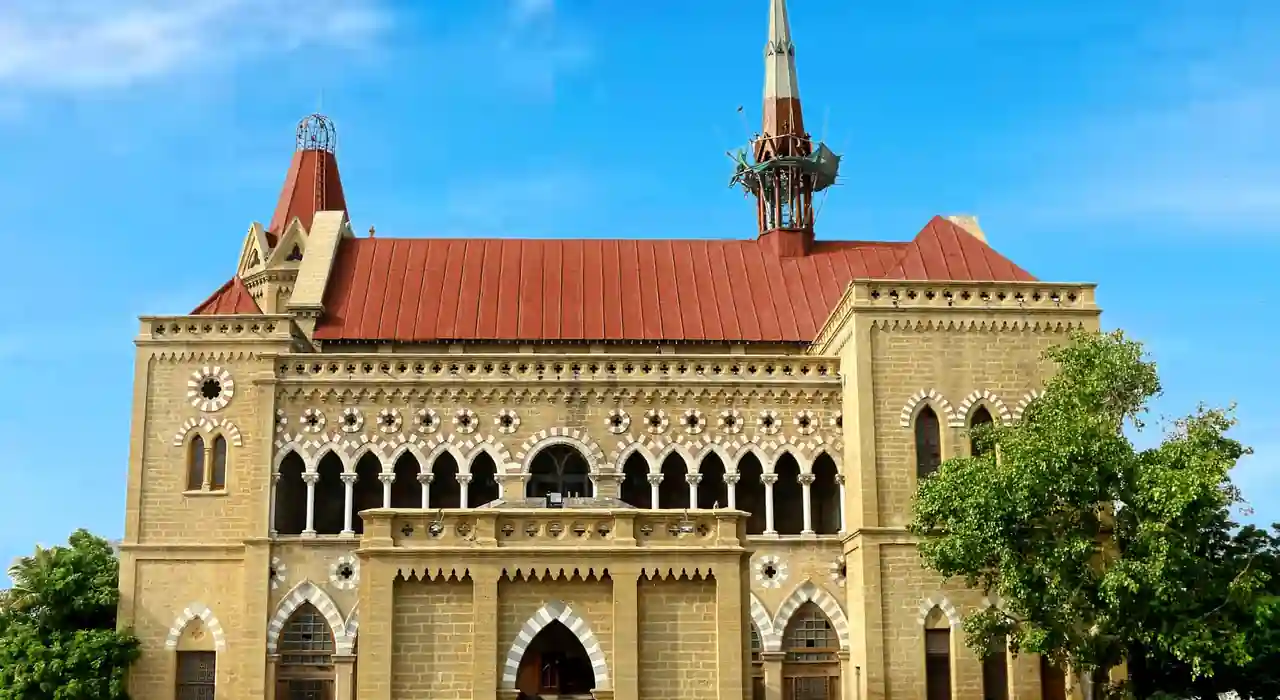
Frere Hall is one of Karachi's most recognisable historic buildings and an important example of colonial-era architecture in Pakistan. Constructed during British rule in the 19th century, the building was named after Sir Henry Bartle Edward Frere, who served as Commissioner of Sindh. It reflects the administrative and cultural development of Karachi during that period.

The building is admired for its Gothic Revival architectural style, stone exterior, arches, towers and decorative details. Its spacious halls and landscaped gardens add to its appeal. Frere Hall has also been associated with cultural activities, exhibitions and public gatherings. Its library and artistic features make it an important cultural landmark in the city.

Frere Hall is located in central Karachi, close to important commercial and historic areas. Visitors can admire its architecture, enjoy the surrounding gardens and explore cultural activities held at the venue when available. It is a worthwhile stop for anyone interested in Karachi's colonial history and urban heritage.

Location: Abdullah Haroon Road, Karachi
14 Faiz Mahal Khairpur Sindh

14. Faiz Mahal – The Royal Palace of Khairpur

Faiz Mahal is one of the most beautiful examples of royal architecture in Sindh. Located in Khairpur, the palace was built during the rule of the Talpur dynasty and is associated with the former princely state of Khairpur. It reflects the history and lifestyle of the ruling family that governed the region.

The palace is admired for its impressive façade, decorative architectural details, spacious halls and traditional design. Its appearance combines elements of local craftsmanship with influences found in royal buildings of the wider subcontinent. The structure offers an insight into the artistic taste and cultural traditions of the Talpur rulers.

Faiz Mahal is situated in Khairpur city and is an important stop for visitors exploring the historic landmarks of upper Sindh. Travellers interested in royal residences, princely state history and traditional architecture can include the palace in a wider journey covering Kot Diji and other nearby heritage attractions.

Location: Khairpur, Sindh
15 Historic railway bridges over the Indus River near Sukkur

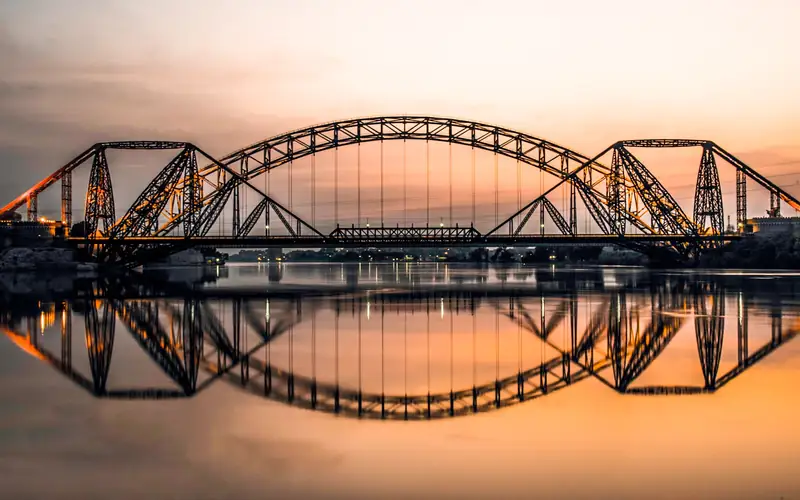
15. Lansdowne Bridge – A Historic Engineering Landmark over the Indus

Lansdowne Bridge is one of the most notable historic engineering landmarks of Sindh. The bridge crosses the Indus River between Sukkur and Rohri and was opened in 1889. Its construction was an important development in the expansion of railway connectivity during the British colonial period.

The bridge is famous for its impressive iron structure and engineering design. When completed, it was regarded as a major achievement in railway bridge construction. Together with the nearby Ayub Bridge, it forms part of the historic river-crossing landscape of the Sukkur-Rohri area. The surrounding river views make the location especially attractive to photographers and history enthusiasts.

Lansdowne Bridge is located between Sukkur and Rohri in upper Sindh. Visitors can view the historic structure and explore the nearby riverfront and city landmarks. As it is an operational transport area, visitors should follow local safety instructions and use designated public viewing locations rather than entering restricted railway areas.

Location: Between Sukkur and Rohri, Sindh

💡 Travel Tips for Visiting Sindh

  • Plan your journey according to the weather, as summer temperatures can be extremely high.
  • Carry drinking water, sunscreen, a hat and comfortable walking shoes.
  • Check road conditions and travel times before visiting destinations outside major cities.
  • Allow enough time to explore archaeological sites, museums and historic monuments.
  • Respect religious places, local traditions and cultural customs.
  • Check opening arrangements and visitor facilities before travelling to heritage sites.
  • Avoid climbing on fragile walls, tombs and protected archaeological structures.
  • Ask permission before photographing people or private property.
  • Explore local Sindhi food, handicrafts, traditional markets and cultural activities.
  • Follow local safety advice, especially when visiting remote forts and archaeological locations.